
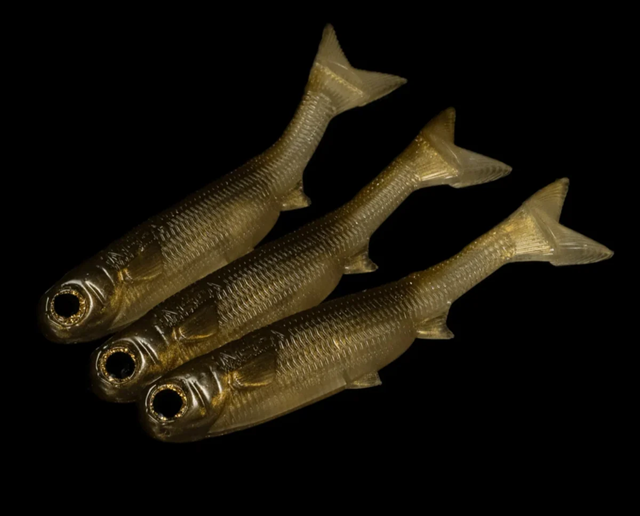
Anyone can tell you that soft saltwater lures, like Berkley Gulp or NLBN lures, are insanely (perhaps even inexcusably) expensive.
The irony here is that this is also the case with metals and plugs. The difference is that metals and plugs last. You could catch hundreds of fish on a slow pitch jig and, even though the finish might be a little worn, it’ll be ready to keep swinging.
That is not the case with the vast majority of soft plastics, most of which will be in tatters after one big fight. But the truth is, soft baits can be some of the most effective saltwater lures out there, so season in and season out, fishermen keep paying the absurd prices that some of them command.
Now, while it will never be the case that soft plastics will ever be as durable as metals or plugs, there are still things you can do to extend their lifespans, which we will cover here.
Keep Them in Original Containers
This is far and away the single most important piece of advice we have to extend the lifespan of your soft plastics, whatever they are: keep them sealed and in their original containers.
This is because most manufacturers use their own plastic formulas as well as scent formulas that are made with oils that condition the plastic. Let alone that each scent is different and that keeping them in their own separate containers will keep them scented, doing so will make sure the plastics are conditioned by the oils they come with so they don’t dry out.
Plastics removed from their original packaging will not just lose scent, they will dry out, become brittle, and will not last nearly as long as those that have been responsibly stored.
If you are going to take them out and keep them in something like a bait binder, at least make sure it is sealed (air exposure dries them out as well) or if possible, such as is the case with Gulp plastics or others that are stored in a liquid, keep the original liquid and immerse the plastics in it once you get them in a new container.
Don’t Mix Them
Similarly, it’s best if you keep soft plastics separated, not just because they each may have their own proprietary scents, but because the oils/liquids that keep them in good shape may not be compatible with each other.
Not that it’s harmful to one plastic to expose it to the oil or other liquid that conditions another plastic saltwater lure, but it might not be as effective as what it came with. So, the short advice is just to make sure that you keep them separated and with like lures.
Now, one thing is that you can mix different patterns and colors of lures from the same manufacturer. So, for instance, if you have a few different types of Gulp or NLBN lures, you can mix them or dump them all into one tub or jar or pouch. That should be no problem.
Keep Them Out of the Sun
Whatever you do, do not leave a naked plastic lure sitting on the deck of a boat, in a tray exposed to the air, or otherwise just sitting out in the sun.
Even if the plastic lure has otherwise been well-conditioned, UV exposure does big damage to soft plastic saltwater lures in short order. Just look how quickly you can sunburn; the sun does the same thing to soft plastic lures, and then they crumble and fall apart.
Rig Them Properly
Properly handled and rigged, a soft plastic saltwater lure can be used over and over. But if you are not careful with how you rig it, the damage to the lure can be extensive and you will considerably shorten its lifespan.
Make sure the plastic is properly oriented and seated. If it slips down off the jig head’s barb, gets twisted around the hook or fouled in any other way, it will exaggerate the tears in the plastic and the lure will not last as long.
Also, if you can avoid it, try not to repeatedly remove and re-rig a plastic, as each time you do so you will tear it further. Sometimes it can’t be helped, but if it can, avoid it.
Keep Damaged Plastics As Trailers
If you reel in a swim bait that’s missing its tail or a fluke bait that’s been cut in half by a toothy finned denizen of the deep, don’t toss that plastic yet.
While the action of a damaged plastic may be compromised, the plastic still has scent that can be used to attract fish. Use damaged plastics as trailers on jigs or other lures, or just tip a jig’s hooks (or assist hooks) with small chunks of scented plastic.
Plastics are generally not as effective as actual cut bait at drawing strikes, but the scent can still be effective at getting the attention of gamefish and can convince them to bite.
Pro Tip for Restoring Minor Tears
Lastly, if you have plastics made with a good, resilient formula, such as Zoom or NLBN lures, if they’re slightly torn but otherwise in good shape, what you can do is heat up some water to just below boiling, dip the plastics in them for a few seconds, and bring them out to cool. Small tears in the plastic should seal themselves up and heal. Just make sure that you put the plastics right back in their liquid/containers after they cool as you don’t want them to dry out after doing this.

Here for Soft Baits Such as NLBN Lures?
At the end of the day, while these tips can help you extend the life of your soft plastics, eventually they will need to be replaced. We can help with that and carry some of the best soft plastic saltwater lures in the industry, such as Nomad and NLBN lures. Check out our collection and refresh your tackle bags today, before you get out on the water and realize too late you needed a restock.