
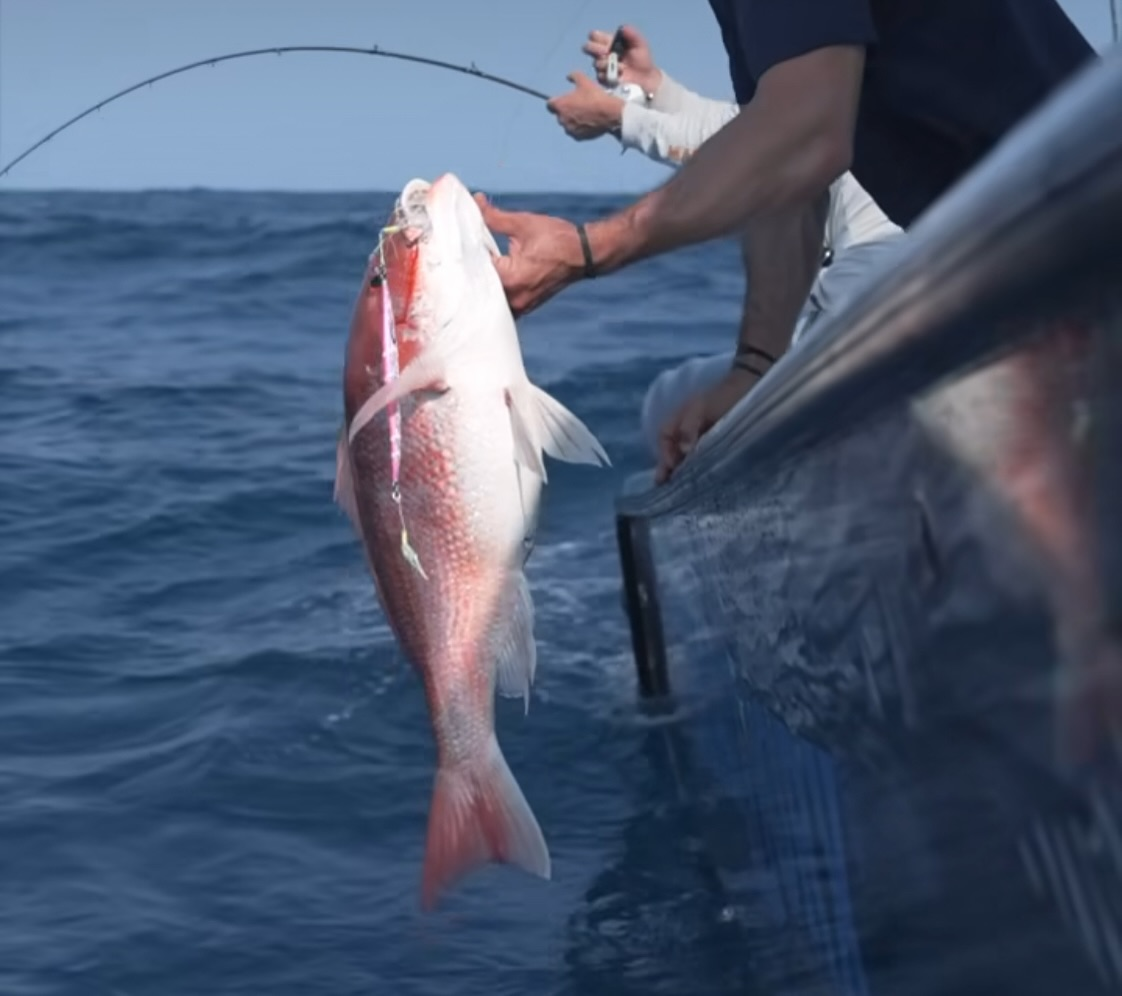
May is almost here, which means there are probably plenty of you that are about to take that inaugural trip of the season. We’re not talking about casting a bit of bait outside the slip and hoping for a bite, we’re talking about shoving off for the first official day on the water.
It’s one of the days we look forward to the most in the whole year, as anglers, but to make sure it goes as well as possible, it behooves you to make sure your gear (all your gear) is in working order before you leave.
Here’s your short list of the things you should check, from your slow pitch jigging rods to your swivels.
Check Your Slow Pitch Jigging Rods
First, inspect your slow pitch jigging rods themselves, starting with the condition of the rod blanks, to make sure there’s no cracking or separation occurring in the rod itself. If there is you will either need to re-seal the rod with epoxy or get a new rod entirely. Better to invest in a new slow pitch jigging rod today than snap it in half on the water during an epic fight.
Otherwise, check the reel seat, make sure it is clean, and inspect all of your rod guides. They should be replaced if damaged or missing, as worn or cracked eyelet guides can abrade your line, which can cost you a fish.
Respool Your Reels If Necessary
As a general rule, you should respool your reels at least once a season, but realistically we are aware that high-quality braided fishing line can often last more than one season.
So, make sure the braid is in good shape. If it is bright and has no fraying, you should be good to keep using it. If it is faded, however, that indicates chemical or UV damage, and the line should be stripped and replaced.
Inspect and Retie Your Leaders If Not
Even if you don’t have to re-spool your rods, now is a good time to inspect and replace your leaders. If you have any leaders on there from last season, go ahead and replace them.
It only takes a few minutes to do, and trust us, the effort of adding a new swivel or re-tying a double uni knot is well worth the insurance and peace of mind it provides.
Oil Your Reels
If you’ve stripped your reels, now is also a good time to oil some of the moving parts to make sure the reel is ready for the water.
On casters and conventional reels, oil the reel handle and arm along with the level wind. You may also want to put a drop of oil between both sides of the spool and the reel frame.
As for spinners, oil the reel handle and arm, remove the arm and oil the bearings, and place a drop of oil on the line roller.
Otherwise, give your reel a few cranks to make sure it’s running smoothly and you should be good to go.
Restock Your Tackle Bags
Once you get out on the water, and over your favorite wreck or reef, that is not the time to determine that you are out of your favorite color and weight of slow pitch jig, or worse, that you only have one left in the bag.
That is also a decidedly bad time to determine that you are out of NLBN plastics or that the ones you have are shredded.
Go through your tackle bag and take inventory, and make sure you restock what’s missing. Also, one is none and two is one, but realistically you should have multiples of any of your favorite lure patterns.
Sharpen or Replace Hooks
On heavily used lures, check all the hooks. If they are dull, give them a few passes on a hook hone to restore their points. If they are bent or show signs of stress or corrosion, get out your split ring pliers and replace them. It’s well worth the effort.
Inspect and Swivels That You Use
While you’re inspecting your line, you might as well replace any swivels you have on there. Snap swivels are convenient for switching jigs, and barrel swivels can help reduce line twist, but after exposure to saltwater, it’s just a matter of time before the swivels fail. Just make sure you replace everything before you get on the water.
Clean and Oil Your Fishing Tools

Lastly, make sure your fishing tools, including your fish gripper, split ring pliers, filet and bait knives, and line cutters, are all in good, working order. Clean them, apply a little oil to keep them working smoothly and to protect against corrosion, and you’ll be ready to go.
Gear Up with Slow Pitch Jigging Rods, Tackle and More Here
Whether you’re in the market for a new slow pitch jigging rod and reel, just need some spare braid, or need to resupply the tackle bag with some slow pitch jigs, we have you covered. Check out our collection and make sure you’re ready when it’s time to hit the water for the first time this year.